
Do I like this book or was I told to like it?
Often, I wonder about the ideas I have and their origins. Do I really want an ice-cold coke, or did I see a character on tv drinking one last week? Do I actually like wide-leg jeans, or was I told to?
For the last two years, I have had the strange privilege of watching people shop for books from my own little desk in The Second Story. I have witnessed, reoccuringly, to my great dismay, that the general public is not entering a book shop looking to hunt for treasure. The general public wants to be told what to read.
A trip to Barnes & Noble confirmed my suspicion. There, every book is front facing, duplicate copies stacked to the left or right. In every aisle, an island of displays arises “as seen on book tok.”
In my indie bookstore, with few duplicates, if any, I must be more creative. Bundling books into personal curriculum piles, wrapping them as blind dates, adding funny one-liners, and packing them away in mystery bags are the ways I fight back. I have to tell people what to buy. It’s marketing, yes, but it’s also that we’ve grown used to a world where decisions come to us pre-made. We don’t have to think about our decisions, we just click buy now.
Why would I scan through the shelves, my head tilted to the left, reading reading reading titles as hours slip away, why would I do that when my kindle tells me succinctly what’s next? When the algorithm hand feeds me, my tbr growing plump with easy access?

I am not immune to the delicious temptation of well-advertised literature. I have read the Hoovers, the Gilmores, and the McFadden’s of the world– to be entertained, but not nourished. It is not that their books are bad, just that they are all the same. I have read the same book a thousand times with different authors on each spine, and though I don’t regret it, I am growing bored of the easy comforts.
The way the publishing ecosystem works is simple. Writers write books that will hook agents. Agents represent books that will hook editors. Editors make sellable books more sellable. From start to finish, the book was intended to make money. And it shows.
Again, not a bad thing. Often traditionally published books are good books, many are even great, but they often repeat each other. If the publisher knows that To Kill a Mockingbird will sell, they will have no problem publishing Where the Crawdad’s Sing, which follows the structure and plot points closely. If they can sell The Housemaid, they can sell Verity.
This forces authors to make a choice: will their book be marketable, or true1? Every now and then a true book slips through, marketable AND original, but it is rare. The difference is often a book deal.
Because marketable wins, readers are stuck reading different renditions of the same five books over and over and over again. It’s like walking through a forest but every tree is identical to the one beside it.
How Indie Authors Can Reshape the Literary Landscape
Not every indie book is a work of art. In fact, many are kind of awful. Many indie books feature bad writing, poor editing, awkward formatting, and/or a slew of other problems. But that’s not every book.
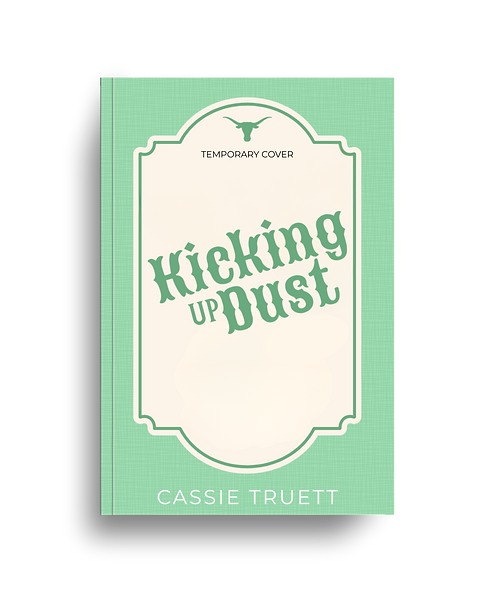
What indie books can offer us is something entirely new. These books weren’t written to make the author, the agent, the editor, and an entire publishing team thousands of dollars. They were written by people who wanted to tell something true. Of course, indie authors would love to make enough to live on, but like Cassie Truett’s interview showed us, they’re not looking for fortunes.
Indie authors are the outlaws of the literary world. The good ones reshape stories, challenge expectations, and offer the reader a journey totally different from the books they have seen before.
So, yeah, if you want to stay comfortable, stick with the books the algorithm guides you towards. But some of us want to read more dangerously. We want to risk a typo for a story that will take us somewhere new.
And bonus points when it’s the readers from our own communities. (People who will actually be affected by our readership. )
If this email doesn’t convince you to try indie books, maybe this will: The Bible, the Odyssey, and all of Aesop’s fables were indie books.
Just saying, it’s worth a risk.
True, operating here as a stand in word for authentic, original, or otherwise not written to market.



Leave a Reply