
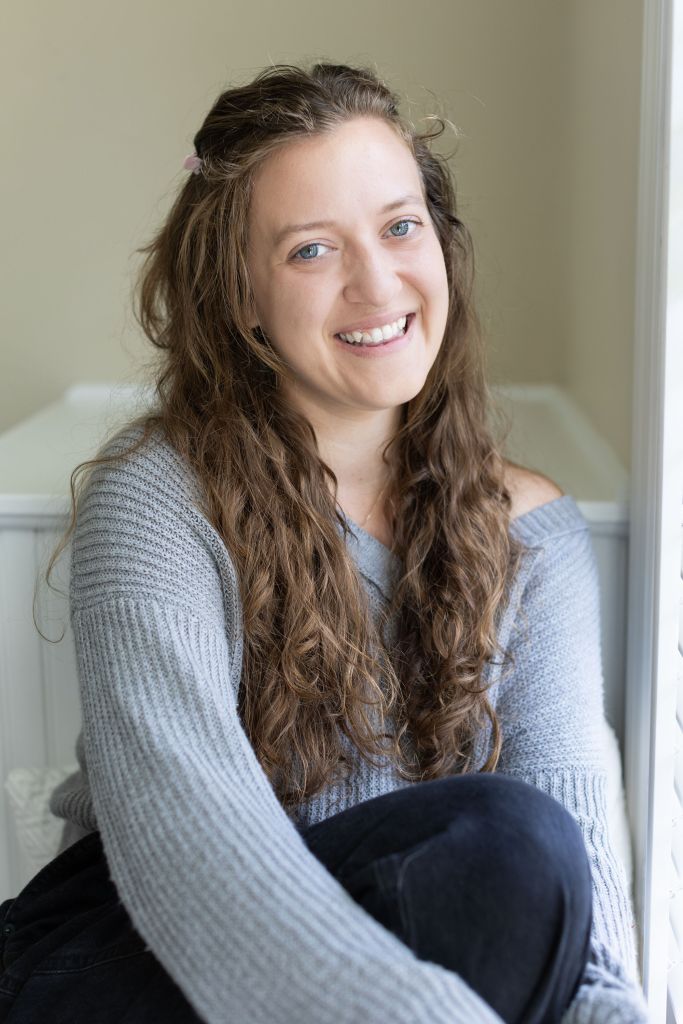
Last week, we stepped into a conversation with Cassie Truett, author of Playing With Fire, a steamy cowboy romance. She discussed marketing her book and building her platform at the same time as investing in an authentic online community. Cassie showed us how to be true to ourselves, while also protecting our personal privacy.
This week, we will be digging into the day to day work of a full-time indie author. Cassie shares her writing routine, how much time she spends marketing, professional collaborations, and what it took to get her book on the shelf at Indie Bookstores.
If you’re dying to get your hands on a copy of Cassie’s book, you can purchase it directly from her website, OR you can stop in at The Second Story to pick up a signed copy & catch up with your bookish besties.

From First Draft to Shelf, The Business of Writing: An interview with Cassie Truett
Sarina: How long did it take you from putting the first word on the page to holding your book in your hand? What parts of that process surprised you?
Cassie: Austin and Maddox (from Playing with Fire) originally started as side characters in another story I was writing back in 2023, but barely any of who they are now remains from who they were in that story. The Whittaker Ranch series started really being fleshed out in early February 2025, but I didn’t have plans to publish at that point. They were just characters that lived in my head (and on a document on my computer) for my eyes only. In July 2025, I decided to start taking my writing seriously and consider publishing. So, from first word to publication, it was a little over a year. I think the thing that surprised me the most was that writing the book was the easiest part. All of the things that came after were much, much harder. It felt like I had to learn all-new languages: KDP, Ingram Spark (distributors), Flo Desk (newsletters), Vellum (formatting) and website design, to name a few. And Marketing is, of course, an entirely different beast. I spent nearly 20 years writing and thinking that finishing the book was some giant hurdle I had to overcome, which it was, but it was the smallest of the hurdles.
Sarina: How much of your day to day do you spend on marketing tasks as compared to writing? Do you have a day job, or are you able to write full time?
Cassie: Marketing is hands down the hardest and most time-consuming. With social media algorithms constantly changing, it’s like playing a game of chess with an unknown opponent, where the rules keep changing, but you have to guess what they are. I lost my 9-5 job in December, so I do get to write full-time, but I’d say between creating and scheduling content on various social media platforms, organizing things for my street team, sending out bi-weekly newsletters and back-end admin-y things, I only write a few hours a week.
Sarina: I’m very impressed with the speed at which you can publish books, given how much time marketing requires. What is your writing process like? Where do you write?
Cassie: I’m honestly still learning my process. For so long, writing was just for me, just something I did in my spare time to get the characters out of my head and into the world—if only for me to go back and visit them. In a lot of ways, that’s still how I approach it. It may sound absolutely ridiculous but my characters and their stories scream at me until I get them onto the page and when they’re screaming, it takes no time at all to tell their stories. It’s when they’re stubborn and quiet that I have a hard time. I definitely write in spurts and lulls. There’s not really a rhyme or reason. Sometimes, I’m more productive at my desk while others, I’ll be propped up in my bed, holding my laptop at a strange angle and smash out a couple of thousand words in just an hour.
Sarina: At which point in your writing did you prioritize building a newsletter, website, and transitioning your social platforms from book content to author content?
Cassie: Probably too soon, haha. I was thinking about these things before Playing with Fire was even finished and then reminding myself to calm down and finish the book so that I’d actually have a need for a newsletter and an author platform. I stopped posting on my bookstagram for good on release day, though I’d been slowing down since September 2025 or so—going from posting every day or several times a day to posting once a week at best. I do miss bookstagram a lot some days, but I just don’t have the time to focus on it anymore, unfortunately.
Sarina: If you could do any part of the publishing/marketing process again, what would you do differently?
Cassie: I’d do more read-throughs for editing. By the time Playing with Fire made it into the world, I was so (affectionately) tired of it that I was ready to push Austin & Maddox out into the world and start on book two. I’d written/read/marketed the book for almost a year at that point, but despite no less than ten read-throughs, I still found typos in my book after it was published that I had to go back and fix.
Sarina: For your novels, do you hire professional editors? Why or why not? Do your arc readers help you catch those errors, or do you have to depend on your own readings?
Cassie: I did have a professional editor for Playing with Fire, yes! But things still fall through the cracks sometimes and the typos I mentioned were mainly story-based or formatting errors. Errors on my end that were so small, they mostly went unnoticed. I don’t ask ARC readers to help point out errors, but I do include a note at the beginning of the ARC that they’re welcome to email me if they notice anything. Definitely not an expectation though.
Sarina: A lot of indie authors have discussed difficulty getting into bookstores, especially indie bookstores, as they tend to have a more difficult time selling indie published books. What is your experience with indie book stores? What has worked for you? What hasn’t?
Cassie: I keep a spreadsheet of all of the indie bookstores I’ve reached out to, so I can say with 100% certainty that it is hard getting into indie stores, but I understand. There’s millions of incredible books in the world, but only so much shelf-space. I’ve reached out to over 250 stores and have been fortunate enough to receive eleven yeses. A handful of stores reached back out to politely decline but for the most part, you reach out and you never hear back. It’s unfortunate, but again, understandable. I always tell myself that if I’m not reaching out, the answer is going to be “no” regardless. At least if I reach out, I’m giving myself the opportunity for a “yes.” I’ve gotten a lot of compliments on my media kit from the stores that said yes.
Sarina: As a bookseller, I’ve had a lot of indie authors reach out to me about stocking their books in my store. In the last year, you are the first author to have ever approached me with a full media kit. Can you talk to me about the process of assembling this kit, how you knew what to include, and why you took the time to do it?
Cassie: I’ve always had the gift of gab and a propensity for info dumping about things I’m excited about. When it came time to approach bookstores about stocking Playing with Fire, I knew that overwhelming the person reading the email would likely turn them away. I wanted to provide a place where the bookseller could decide for themselves what was/wasn’t important when choosing the books they wanted to stock—be that the tropes, the cover, the spice, etc.
Next week, we will dive into the final installment of Cassie’s interview, and you won’t want to miss it. It’s all about defining and finding success as an indie author. PLUS, Cassie shares a few indie authors she has heart eyes for. Do you have Indie Authors you want to see us read/reach out to? Send me a message or leave a comment!
If you enjoy this content, take a moment to share the publication! Your share doesn’t just help me, it helps connect authors to readers that may have missed them otherwise. Thank you for your literary citizenship!



Leave a Reply